Meet the Hudson Valley’s Hardest Workers: A Guide to Our Local Pollinators

Meet the Hudson Valley’s Hardest Workers: A Guide to Our Local Pollinators

When we think about the Hudson Valley’s beauty, we often picture orchards in bloom, vegetable gardens bursting with life, sunflower fields, berry patches, and colorful backyard flowers. But behind so much of that abundance are some tiny heroes working quietly every day: pollinators.
Pollinators help plants reproduce by moving pollen from flower to flower. Without them, many of the fruits, vegetables, herbs, and wild plants we rely on would struggle to thrive. In fact, much of the food we love depends on pollination.
From Hyde Park to the hills beyond, the Hudson Valley is home to a wide variety of pollinators. Here are some of the most important ones you may see nearby.
🐝 Native Bumble Bees

Large, fuzzy, and often gentle, bumble bees are among our most effective pollinators. Their strong bodies and ability to fly in cooler weather make them especially valuable in spring and early morning.
They help pollinate:
Tomatoes
Peppers
Blueberries
Clover
Wildflowers
Unlike honey bees, many bumble bees are native to our region and live in small underground colonies.
🐝 Solitary Native Bees

Many people don’t realize that most bees are not honey bees. Mason bees, leafcutter bees, mining bees, and sweat bees are all common native pollinators in New York.
These bees often live alone in soil, hollow stems, or wood cavities. They are excellent pollinators and usually very non-aggressive.
They help pollinate:
Fruit trees
Strawberries
Squash
Garden flowers
Herbs
🍯 Honey Bees

Honey bees are managed pollinators brought to North America centuries ago, but they still play a major role in farms and orchards across the Hudson Valley.
They are especially important for large crop pollination such as:
Apples
Pumpkins
Cucumbers
Melons
🦋 Butterflies
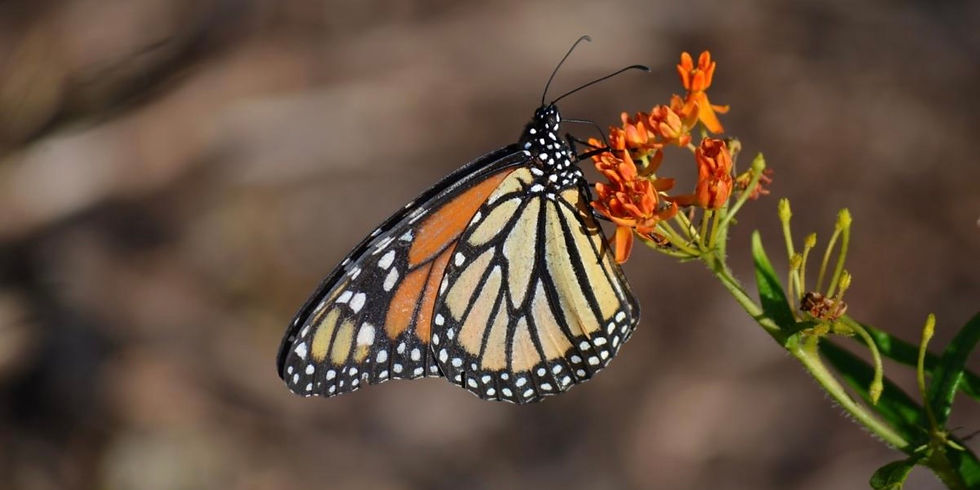
Butterflies may not move as much pollen as bees, but they are still valuable pollinators and a sign of a healthy environment.
The iconic Monarch butterfly depends on milkweed for its life cycle. Other butterflies love asters, coneflowers, zinnias, and goldenrod.

🌺 Hummingbirds

The Ruby-throated Hummingbird visits the Hudson Valley each warm season and helps pollinate tubular flowers while feeding on nectar.
🌙 Hummingbird Moths

One of the most surprising pollinators in the Hudson Valley is the hummingbird moth. Often mistaken for a tiny hummingbird at first glance, these fascinating moths hover in front of flowers, rapidly beating their wings while using a long tongue to sip nectar. They can dart from bloom to bloom with impressive speed and precision.
Several species may be seen in our region, especially clearwing sphinx moths, which are active during the day and have transparent wings that shimmer in the sunlight. Their fuzzy bodies also help them carry pollen as they feed.
Hummingbird moths are especially fond of fragrant, tubular, and nectar-rich flowers such as:
Bee balm
Phlox
Honeysuckle
Petunias
Verbena
Butterfly bush
Nicotiana
They are most active in warm weather from late spring through early fall and may visit gardens during the day or at dusk depending on the species.
Seeing one hover in your garden is always a special moment—a reminder that the Hudson Valley is full of pollinators many people never realize are all around them. 🌸
🪰 Flower Flies (Hoverflies)

Often mistaken for small bees or wasps, flower flies—also called hoverflies—are some of the Hudson Valley’s most underrated pollinators. Many species have yellow-and-black markings that mimic stinging insects, but they are harmless and cannot sting. One of their most recognizable traits is their ability to hover in place like tiny helicopters before darting quickly to the next flower.
Adult flower flies feed on nectar and pollen, helping pollinate a wide variety of plants as they move from bloom to bloom. They are especially active on open flowers such as dill, yarrow, Queen Anne’s lace, asters, goldenrod, and many garden herbs.
They also provide another major benefit: many flower fly larvae are natural predators of aphids and other soft-bodied garden pests. That means they help pollinate and help protect your garden naturally.
These tiny, fast-moving visitors may be easy to overlook, but they’re valuable partners in a healthy Hudson Valley garden. 🌼
They love:
Bee balm
Cardinal flower
Trumpet vine
Salvia
How to Create a Pollinator-Friendly Yard

Even a small yard, patio, or garden can help.
Plant Native Flowers

Choose plants that bloom from spring through fall so pollinators always have food.
Great choices for our area:
Milkweed
Bee balm
Black-eyed Susan
Coneflower
Goldenrod
Asters
Joe-Pye weed
Skip Harmful Sprays

Avoid broad-spectrum pesticides and herbicides whenever possible.
Leave Some Wild Space
A perfectly tidy yard isn’t always the best habitat for pollinators. Many native bees and beneficial insects overwinter in leaf litter, hollow stems, brush piles, and even just beneath the soil surface. Cleaning everything up too early in spring can disturb or destroy pollinators before they’ve had a chance to wake up and emerge.
Consider waiting until the weather has consistently warmed before heavy spring yard work. Leaving stems standing a little longer, keeping some leaves in garden beds, and delaying major cleanup can make a real difference.
You can also participate in No Mow May by letting your lawn grow a bit longer in spring, allowing early flowers like clover and dandelions to provide valuable food when nectar sources are scarce. Even better, dedicate a small portion of your yard to remain in a more natural state with native plants, grasses, and wildflowers.
Sometimes the kindest thing we can do for pollinators is simply leave a little space for nature to be nature. 🐝🌼

Add Water

A shallow dish with stones and fresh water can help pollinators drink safely.
Plant in Clumps

Large patches of flowers are easier for pollinators to spot than single scattered plants.
Why It Matters in the Hudson Valley

Our region’s farms, orchards, backyard gardens, and forests all benefit from pollinators. Apples, pumpkins, squash, berries, tomatoes, cucumbers, herbs, and countless flowers rely on them. Supporting pollinators means supporting local food, biodiversity, and the beauty of our landscape.
Final Thought

The next time you hear a buzz in the garden or see a butterfly drifting through the yard, remember: you’re watching one of nature’s most important jobs being done in real time.
Small actions at home can make a huge difference for the Hudson Valley’s pollinators. 🌼🐝
Comments